Geopolitical Tensions and Copper Prices
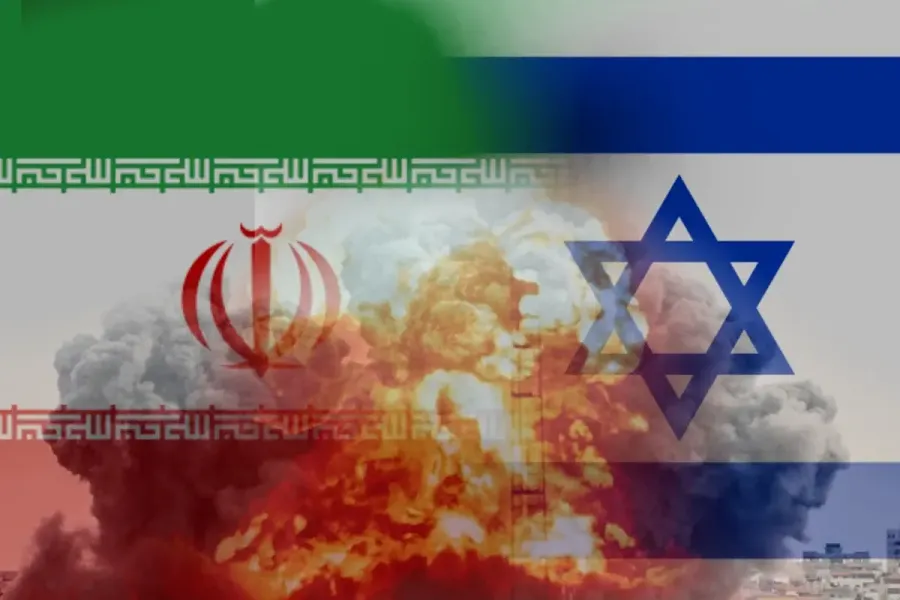
The relationship between geopolitical tensions in Iran and the price of copper is direct, albeit less obvious than that of oil. Copper is considered the “barometer” of the global economy (“Doctor Copper“), and any conflict in the Middle East region affects its price through three main channels:
1. Supply Chain Disruption
Although Iran is not the world’s largest copper producer (accounting for about 1-2% of global production), a military conflict threatens the Strait of Hormuz. A massive volume of commodities is traded through this route. Any closure or instability in the strait sharply increases shipping and insurance costs, affecting metal deliveries to major industrial markets in Asia and Europe.
2. Energy Costs and Production
Copper mining and refining are highly energy-intensive processes. A war involving Iran causes oil and gas prices to skyrocket.
- Cost Increase: When energy becomes more expensive, the operating costs of mines increase.
- Supply: This can lead to a temporary reduction in supply, pushing copper prices upward.
3. Investor Psychology (Safe Haven vs. Risk-off)
Here, the relationship becomes dual-sided:
- Initial Spike: Due to fear of shortages, prices often jump during the first days of a crisis.
- Medium-term Decline: Because copper is tied to growth (construction, technology), if the war triggers a global economic slowdown or recession, demand will drop, ultimately leading to a decline in its price.

Read useful articles and stay informed!
Useful Articles


Useful Articles